The word Zion appears many times in the Bible, but many Christians are unsure what it truly means. Is it just the name of a place, or does it have a deeper spiritual message?
In Scripture, Zion is much more than a city. It represents God’s presence, His people, and His eternal Kingdom. Understanding the meaning of Zion can help you see many Bible passages in a new way and strengthen your faith.
In this article, you’ll discover the biblical meaning of Zion, its history, spiritual symbolism, and the important lessons it offers believers today.
✝️ Quick Answer: What Is the Spiritual Meaning of Zion?
Zion spiritually represents God’s holy dwelling place, His chosen people, and the eternal Kingdom of God. In the Bible, it begins as a physical location — a hill in Jerusalem — but grows into a profound symbol of divine presence, salvation, heavenly citizenship, and the unbreakable covenant between God and His people.
Biblical and Hebrew Meaning of Zion🏔️
What Does the Word “Zion” Mean in Hebrew?
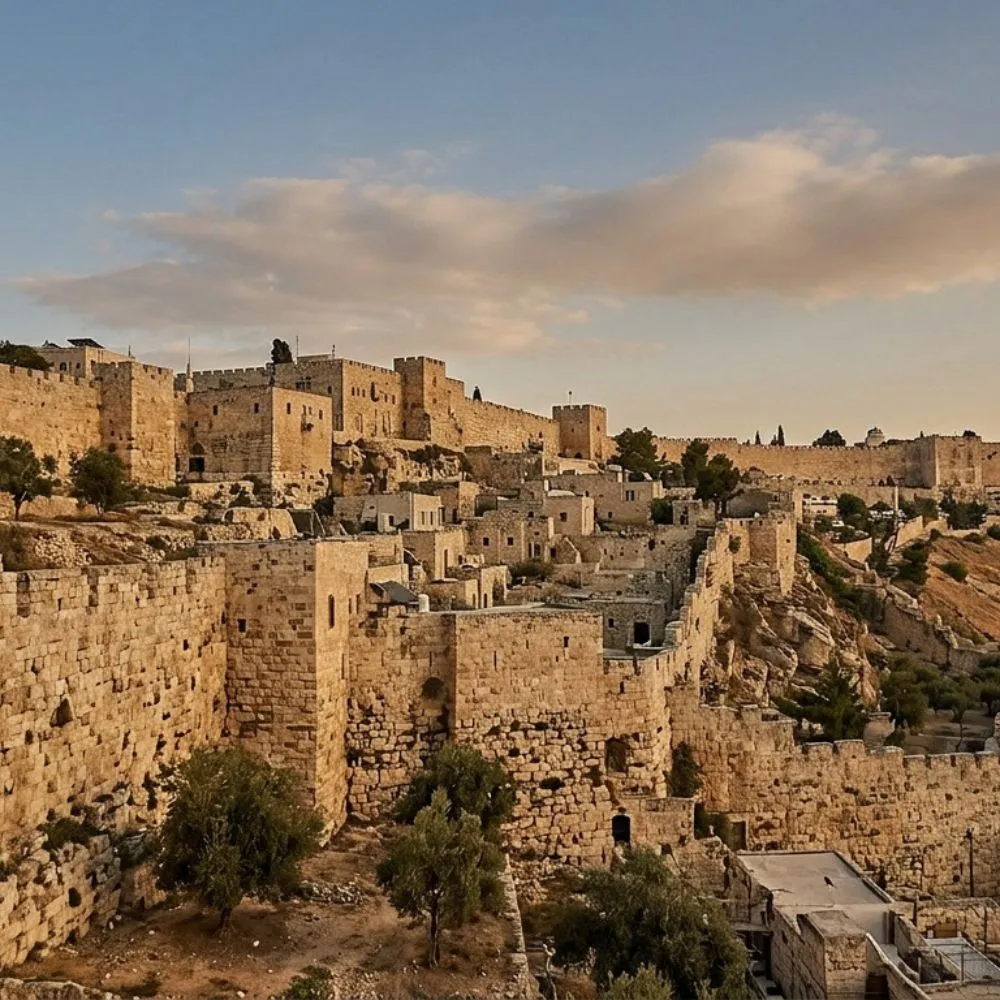
The Hebrew word for Zion is צִיּוֹן (Tsiyyon). Scholars offer a few possible meanings for the root word, including “fortress,” “monument,” or “dry place.” Some linguists connect it to a root meaning “to be marked out” or “to be set apart.”
All of these meanings, taken together, paint a beautiful picture: Zion is a set-apart place, a fortified dwelling marked by God Himself.
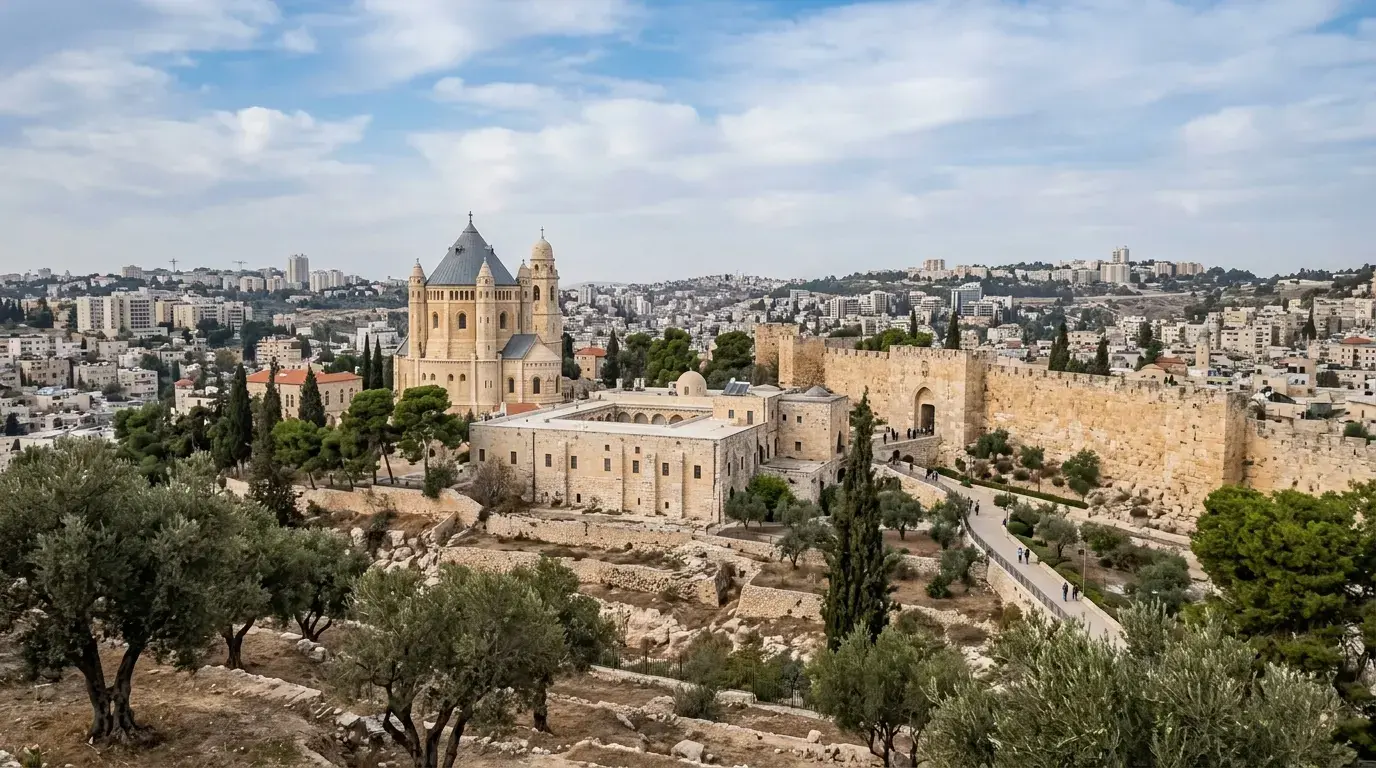
Literally, Zion began as the name of a Jebusite stronghold — a fortified hilltop in the city of Jerusalem. When King David captured it around 1000 BC, it became the City of David (2 Samuel 5:7). From that moment, the name Zion began to carry both national and spiritual significance for the people of Israel.
The Spiritual Significance of Zion
Over time, the meaning of Zion expanded far beyond geography. In the Old Testament, Zion becomes virtually synonymous with the presence of God, the Temple mount, and the entire city of Jerusalem. Even more powerfully, it becomes a symbol of God’s covenant faithfulness to His people.
The spiritual meaning of Zion ultimately points to three truths:
- God’s dwelling place — where His glory and presence reside
- God’s chosen people — those who belong to Him by covenant
- God’s eternal kingdom — the heavenly city where His reign is complete
Is Zion Mentioned Often in the Bible?📖
Yes — Zion appears over 150 times in the Old Testament alone and several times in the New Testament. It is one of the most frequently used symbolic names in all of Scripture.
It appears in:
- Historical books (2 Samuel, 1 Kings, 1 Chronicles)
- Poetry and worship (Psalms — especially Psalms 2, 48, 87, 125, 132, 137)
- Prophetic books (Isaiah, Jeremiah, Lamentations, Joel, Amos, Micah, Zechariah)
- New Testament epistles and prophecy (Romans, Hebrews, 1 Peter, Revelation)
Its consistent presence across such different genres and centuries shows that Zion is not an incidental idea. It is a central thread woven through the whole story of Scripture — from the City of David to the New Jerusalem.
Historical and Biblical Context of Zion📜
Zion in the Old Testament
Zion’s story begins in 2 Samuel when David conquers the stronghold and makes it his royal city. God then chooses this place as the site where His name would dwell — the location of the Ark of the Covenant and, later, Solomon’s Temple.
The Psalms are perhaps the richest source of Zion’s spiritual meaning. Psalm 48:1–2 calls Zion “the city of our God, his holy mountain — beautiful in its loftiness, the joy of the whole earth.” The people of Israel were taught to pray toward Zion, to mourn when it fell, and to rejoice in its restoration.
When Babylon destroyed Jerusalem in 586 BC and the people were taken into exile, they wept for Zion. Psalm 137:1 captures their grief: “By the rivers of Babylon we sat and wept when we remembered Zion.” This is not merely nostalgia for a city — it is longing for God’s presence.
The prophets also spoke of Zion with tremendous hope. Isaiah, Micah, and Zechariah all describe a future, restored Zion where God would reign, nations would be gathered, and peace would reign forever (Isaiah 2:3; Micah 4:2; Zechariah 8:3).
Zion in the New Testament
In the New Testament, Zion takes on an even greater spiritual dimension. The physical hill in Jerusalem gives way to a heavenly reality.
Hebrews 12:22 is one of the most striking passages: “But you have come to Mount Zion, to the city of the living God, the heavenly Jerusalem.” The author is telling New Testament believers that through Jesus Christ, they have already arrived at the true Zion — not a place made by human hands, but the eternal dwelling of God.
Revelation 14:1 describes Jesus standing on Mount Zion with 144,000 of His redeemed followers — a powerful image of final victory, belonging, and divine protection.
Romans 9:33 and 1 Peter 2:6 both quote Isaiah 28:16: “See, I lay a stone in Zion, a chosen and precious cornerstone, and the one who trusts in him will never be put to shame.” Jesus is that cornerstone — and Zion is built upon Him.
Zion in Dreams and Spiritual Experiences🌙
Many Christians report feeling a deep spiritual pull when they encounter the word Zion in Scripture, in worship music, or even in dreams. While the Bible does not give a specific dream-interpretation guide for Zion, we can reflect on what this symbol might mean spiritually when it surfaces in personal experience.
Dreaming of a high mountain or a radiant city may echo the biblical imagery of Zion as God’s holy mountain — a place of safety, worship, and nearness to God. Such a dream might be an invitation to draw closer to God in prayer.
Feeling a deep sense of longing or homesickness in a dream involving light, worship, or a heavenly city may reflect what Hebrews 11:16 describes — a desire for “a better country, that is, a heavenly one.”
A peaceful, bright, or joyful encounter with Zion-like imagery may be a spiritual reminder that you belong to God’s Kingdom and are already, in Christ, a citizen of heavenly Zion (Philippians 3:20).
Whatever you experience, bring it to prayer. Ask God to reveal what He wants to speak to your heart. Always test impressions against Scripture.
Spiritual Meaning and Symbolism of Zion🕊️
Zion carries rich, layered symbolism throughout the Bible. Here are the most significant spiritual themes:
1. God’s Presence and Holiness
Zion represents the place where God chooses to dwell among His people. It is not just a location — it is a relationship. The Temple on Mount Zion was the epicenter of Israel’s worship precisely because it was where God’s glory resided.
2. Salvation and Refuge
The prophets repeatedly describe Zion as a place of refuge. Joel 2:32 promises: “Everyone who calls on the name of the Lord will be saved; for on Mount Zion and in Jerusalem there will be deliverance.” Spiritually, Zion represents the safety and salvation found in God alone.
3. God’s Chosen Community
Zion is not just a place — it is a people. Psalm 87 pictures Zion as the spiritual birthplace of all nations who come to know God. Believers from every background are registered in Zion as citizens of God’s Kingdom.
4. Heavenly Destiny
The New Testament transforms Zion into the ultimate picture of eternal life. The heavenly Jerusalem — the New Zion — is the final destination of every believer (Revelation 21:2). It is where God will wipe away every tear and dwell with His people forever.
5. Worship and Praise
Throughout the Psalms, Zion is the centre of joyful, extravagant worship. Psalm 150 bursts with praise precisely because Zion — God’s sanctuary — is where His glory is declared.
Biblical Verses About Zion📕
1. Psalm 48:1–2
“Great is the Lord, and most worthy of praise, in the city of our God, his holy mountain.”
This opening verse of Psalm 48 establishes Zion as the dwelling place of God’s greatness. It is a reminder that true greatness is found not in human achievement, but in God’s holy presence.
Lesson: Make God’s presence — not worldly success — the center of your life.
2. Isaiah 2:3
“Come, let us go up to the mountain of the Lord, to the temple of the God of Jacob.”
Isaiah’s vision of Zion is one of universal invitation. All nations are called to come to God’s mountain and learn His ways.
Lesson: God’s Kingdom is open to everyone. As believers, we are called to welcome others into the community of faith.
3. Isaiah 28:16
“See, I lay a stone in Zion, a tested stone, a precious cornerstone for a sure foundation.”
This prophecy points directly to Jesus Christ. Paul and Peter both quote it in the New Testament.
Lesson: Build your life on Jesus — the only foundation that will never crumble.
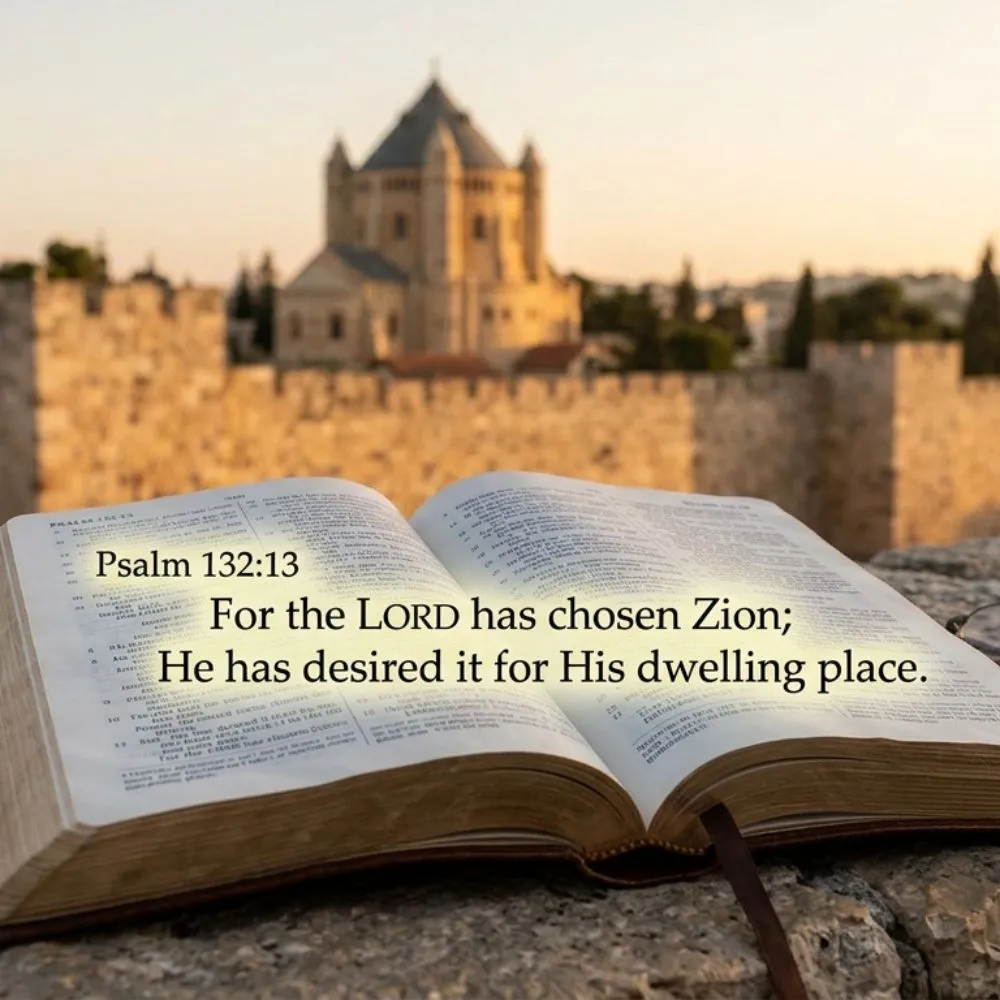
4. Psalm 132:13–14
“For the Lord has chosen Zion, he has desired it for his dwelling, saying, ‘This is my resting place for ever and ever; here I will sit enthroned, for I have desired it.'”
God’s choice of Zion is a declaration of love and intentionality. He does not dwell among His people by accident.
Lesson: You are chosen and desired by God. His presence in your life is deliberate and loving.
5. Hebrews 12:22
“But you have come to Mount Zion, to the city of the living God, the heavenly Jerusalem.”
This verse is transformative. Believers have already, spiritually speaking, arrived at heavenly Zion through faith in Christ.
Lesson: You are not waiting to belong to God’s Kingdom — you already do. Live with that confidence today.
6. Joel 2:32
“Everyone who calls on the name of the Lord will be saved; for on Mount Zion and in Jerusalem there will be deliverance.”
Joel’s prophecy links salvation directly to Zion. Peter quotes this verse on the Day of Pentecost (Acts 2:21).
Lesson: Salvation is available to all who call on God. Zion is a symbol of that open door of grace.
7. Revelation 14:1
“Then I looked, and there before me was the Lamb, standing on Mount Zion, and with him 144,000 who had his name and his Father’s name written on their foreheads.”
This powerful image shows Jesus — the Lamb — standing victorious on Zion with His redeemed people.
Lesson: The final word belongs to God. No matter what hardship you face, victory in Christ is certain.
8. Romans 11:26
“And in this way all Israel will be saved. As it is written: ‘The deliverer will come from Zion; he will turn godlessness away from Jacob.'”
Paul connects Zion to the ultimate work of salvation through Jesus. The Deliverer has come — and continues to work.
Lesson: Trust in God’s redemptive plan. He is faithful to complete what He has promised.
Life Lessons for Christians from Zion🌱
The spiritual meaning of Zion is not just theological — it is deeply practical. Here is what it means for your daily walk with God:
1. You belong to God’s Kingdom right now. Hebrews 12:22 makes it clear — believers are already citizens of heavenly Zion. You do not need to earn your place. Rest in the identity God has given you.
2. Pursue God’s presence, not just His blessings. Zion was treasured because God was there — not because of its architecture or fame. In the same way, seek God Himself in prayer, worship, and His Word — not just what He can give you.
3. Let worship be central to your life. The Psalms of Zion are filled with praise. God’s people were called to sing, celebrate, and worship in Zion. Make worship a daily habit, not just a Sunday activity.
4. Live with eternal hope. The New Jerusalem — the final Zion — is coming (Revelation 21). This hope should shape the way you handle suffering, disappointment, and loss. There is a better country ahead.
5. Carry others toward Zion. Isaiah’s vision was of all nations streaming toward God’s mountain. As a believer, you carry an invitation. Share the good news. Welcome the stranger. Point others toward the God of Zion.
❓ FAQs
Q1: What does Zion mean in Hebrew?
The Hebrew word Tsiyyon likely means “fortress,” “monument,” or “set-apart place.” It originally referred to a Jebusite stronghold captured by King David, but grew into a rich symbol of God’s dwelling place, His people, and His eternal Kingdom.
Q2: Is Zion a real place in the Bible?
Yes. Zion began as a literal hilltop in Jerusalem — the City of David. Over time, it expanded in meaning to include the Temple Mount, the whole city of Jerusalem, and ultimately the heavenly dwelling of God described in Hebrews and Revelation.
Q3: What is the spiritual meaning of Zion for Christians today?
For Christians, Zion represents belonging to God’s Kingdom through faith in Jesus. Hebrews 12:22 says believers have come to Mount Zion — the heavenly Jerusalem. It is a symbol of salvation, community, worship, and eternal hope grounded in Christ.
Q4: Why is Zion so important in the Psalms?
The Psalms use Zion as the central symbol of God’s presence and covenant faithfulness. It is the place of worship, refuge, and joy. Psalms like 46, 48, 87, and 132 celebrate Zion because it represents everything God means to His people.
Q5: How does Zion relate to heaven or eternal life?
Revelation 21 describes the New Jerusalem coming down from heaven — the ultimate, eternal Zion. This is the final dwelling place of God and His people. Hebrews 12:22–23 links it to the “assembly of the firstborn,” making Zion a powerful symbol of heavenly glory and eternal life.
Conclusion:
The spiritual meaning of Zion is simple but powerful. In the Bible, Zion represents God’s presence, His people, His salvation, and His eternal Kingdom.
From the Psalms to Revelation, Zion reminds us that God is with His people and will one day bring them home.
As Christians, we belong to Zion through Jesus Christ. Because of Him, we can live with hope, worship with joy, and trust that God is always with us and leading us every step of the way.
“The Lord Almighty is with us; the God of Jacob is our fortress.” — Psalm 46:7
Discover More Post:
Owl Meaning in the Bible: Spiritual Symbolism & Faith Lessons
Avery Meaning in Bible: Spiritual Roots, Hebrew Insights & Faith Lessons
Meaning of Damian in Hebrew: A Biblical and Spiritual Look at This Name

I am a Christian writer and Bible researcher passionate about making Scripture easy to understand. Through biblical meanings, Hebrew insights, and faith-based studies, I help readers grow in their knowledge of God’s Word and strengthen their walk with Christ.