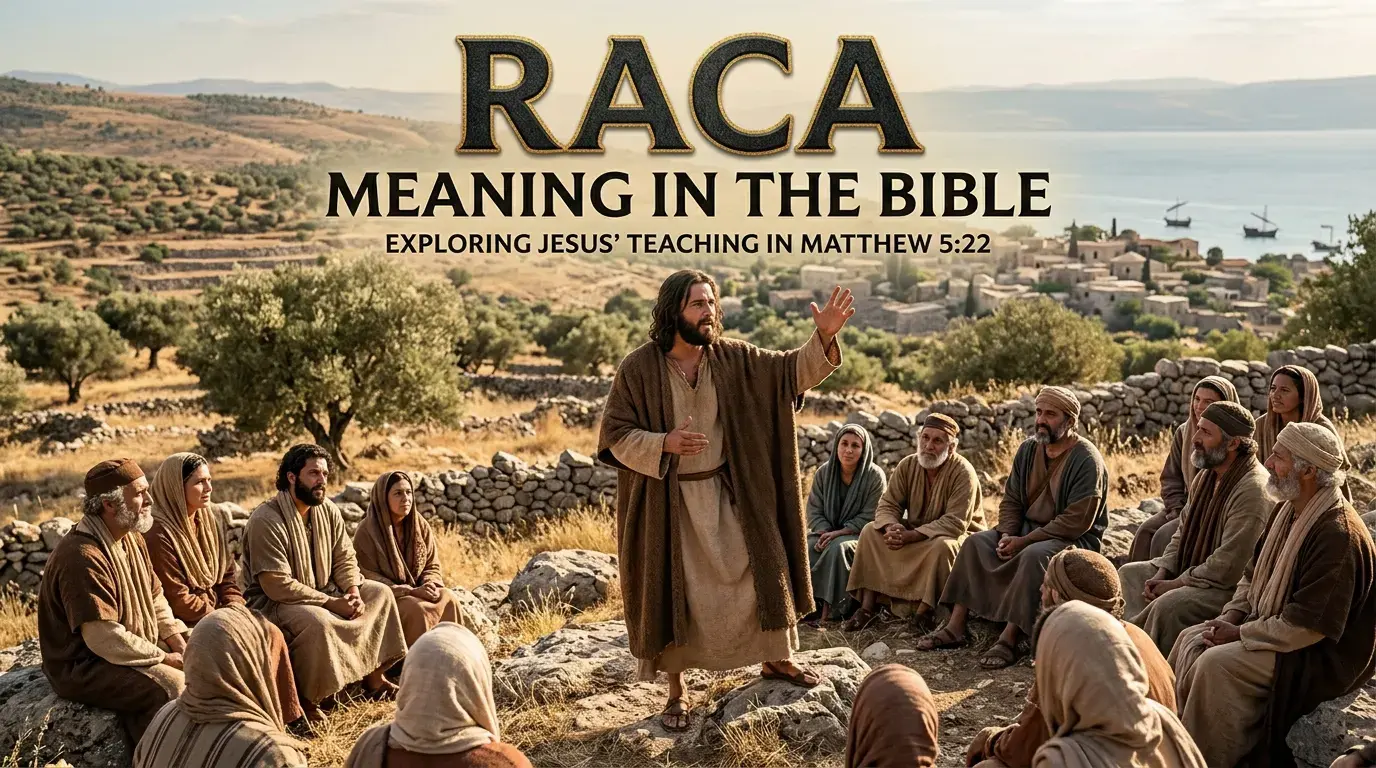
Words have the power to encourage, heal, or deeply hurt. The Bible reminds us that what we say reflects what is in our hearts. One surprising example is the word Raca, a term Jesus used only once in Scripture but with a powerful warning.
So, what is the raca meaning in the Bible? Although it may seem like a simple insult, Jesus used it to reveal the danger of anger, contempt, and hateful speech.
His teaching shows that God cares not only about our actions but also about the attitude behind our words.
By understanding the meaning of Raca, we learn why kindness, forgiveness, and respect are essential in the Christian life and how our words should honor both God and others.
Biblical Meaning of Raca in the Bible
The raca meaning in the Bible comes from an Aramaic word that means “empty one,” “worthless person,” or “good-for-nothing.” It was a strong insult used to show contempt toward another person.
Jesus mentioned this word in the Sermon on the Mount.
Matthew 5:22 (NIV)
But I tell you that anyone who is angry with a brother or sister will be subject to judgment. Again, anyone who says to a brother or sister, ‘Raca,’ is answerable to the court. And anyone who says, ‘You fool!’ will be in danger of the fire of hell.
This verse shows that Jesus was not only concerned about murder but also about the anger and hatred that begin in the heart.
Why Did Jesus Mention Raca?
During His teaching, Jesus explained that sin starts long before harmful actions. It often begins with pride, bitterness, or contempt.
When someone called another person “Raca,” they were treating that person as if they had no value. This attitude was the opposite of God’s command to love our neighbors.
Jesus wanted His followers to understand that:
- Words reveal the heart.
- Anger can grow into greater sin.
- Every person has value because they are made in God’s image.
Raca Was More Than an Insult
The problem was not only the word itself. The greater issue was the heart behind it.
Someone may avoid using the word “Raca” today, yet still speak with sarcasm, hatred, or contempt. Jesus teaches that these attitudes also matter to God.
A Call to Reconciliation
Just after warning about anger, Jesus encouraged people to make peace with others.
In Matthew 5:23–24, He teaches that if you remember someone has something against you while bringing an offering to God, first be reconciled with them.
This shows that healthy relationships are important in God’s kingdom.
Positive Lesson
The warning about Raca points believers toward:
- Love instead of hatred
- Forgiveness instead of revenge
- Respect instead of insults
- Grace instead of pride
When we choose kind words, we reflect the character of Christ.
Spiritual Significance and Symbolism
The raca meaning in the Bible teaches an important spiritual lesson about the heart.
God Sees Beyond Our Words
People hear our speech, but God also sees our thoughts and motives.
A harsh word often begins with hidden anger, jealousy, or pride. Jesus calls believers to allow God to change the heart first.
Every Person Has Value
From the beginning, Scripture teaches that people are created in the image of God (Genesis 1:27).
Because of this, every person deserves dignity and respect—even when we disagree with them.
The Power of Kind Speech
The Bible often reminds believers to speak with love.
Ephesians 4:29 says:
Do not let any unwholesome talk come out of your mouths, but only what is helpful for building others up.
Kind words bring hope, healing, and encouragement.
A Life Changed by Christ
Following Jesus means allowing the Holy Spirit to shape both our hearts and our conversations.
Instead of speaking with anger, believers are called to show:
- Patience
- Gentleness
- Mercy
- Forgiveness
- Love
These qualities point others toward Christ.
Biblical Interpretations in Dreams or Real Life
Some people search for the raca meaning in the Bible after hearing the word in a dream, during Bible study, or while reading Matthew’s Gospel.
The Bible does not teach that dreaming about the word Raca has a specific prophetic meaning.
However, if this word stands out to you, it may encourage personal reflection.
Ask yourself:
- Am I holding anger toward someone?
- Have my words been hurtful?
- Is God calling me to forgive?
- Do I need to restore a broken relationship?
In real life, the lesson of Raca is simple and practical. God desires believers to speak with grace and to treat others with respect.
Prayer, repentance, and forgiveness help restore peace both with God and with other people.
Rather than creating fear, this passage invites believers to grow in love and become more like Christ each day.
Practical Lessons & Faith Insights
The message of Raca reminds us that our words matter.
Before speaking, ask whether your words will build someone up or tear them down. Pray for a heart filled with compassion rather than anger. Choose forgiveness over bitterness, and let the Holy Spirit guide your conversations. As you honor others with your words, you reflect the love of Jesus in everyday life.
FAQs
What does Raca mean in the Bible?
Raca is an Aramaic insult meaning “empty-headed,” “worthless,” or “good-for-nothing.” Jesus used it in Matthew 5:22 to warn against contempt and hateful speech.
Where is Raca mentioned in the Bible?
The word appears only once in Matthew 5:22, during Jesus’ Sermon on the Mount.
Why did Jesus warn against saying Raca?
Jesus wanted His followers to understand that sinful anger and contempt begin in the heart. Hurtful words reveal attitudes that do not honor God.
Is Raca the same as calling someone a fool?
They are similar insults, but Jesus used both terms to show increasing levels of contempt. His main point was that believers should avoid hatred and speak with love.
What can Christians learn from the word Raca?
Christians can learn to guard their hearts, control their speech, forgive others, and treat every person with the dignity God gives them.
Conclusion:
The raca meaning in the Bible is much more than the definition of an ancient word. It reminds us that God cares deeply about our hearts, our attitudes, and the way we treat others.
Jesus calls His followers to replace anger with forgiveness and harsh words with grace.
As you seek God’s wisdom through prayer and Scripture, may your words become a source of hope, peace, and Christ-like love for everyone around you.
Read More Post:
Is Olivia in the Bible? Meaning, Origin & Christian View
Michael Name Meaning: Biblical Meaning, Origin, and Spiritual Significance
Josiah Meaning in the Bible: A Name of Healing and Hope

I am Rebecca Collins, a Christian writer and Bible researcher at BibleMeaningHub.com. I share insightful biblical interpretations and faith-based teachings to help readers better understand Scripture. My mission is to encourage spiritual growth and strengthen faith through God’s Word.